Notice the setting
Work hours, commuting, weather, sleep, and the shape of a room all influence how a practice fits into a day.
Derive / Issue 08 / 14 October 2026
Derive is an independent English-language journal from Bandung exploring physical practice, everyday movement, and the quiet architecture of men’s wellbeing.
Explore the field guide“A useful routine is not a performance. It is a conversation with the body, repeated with patience.”
Clear reading, grounded routines, and local perspective for readers across Indonesia.
A simple starting point
Work hours, commuting, weather, sleep, and the shape of a room all influence how a practice fits into a day.
Small, repeatable sequences create useful feedback without turning movement into another demanding appointment.
Our guides encourage pacing, observation, and a conversation with an appropriately qualified local professional when questions persist.
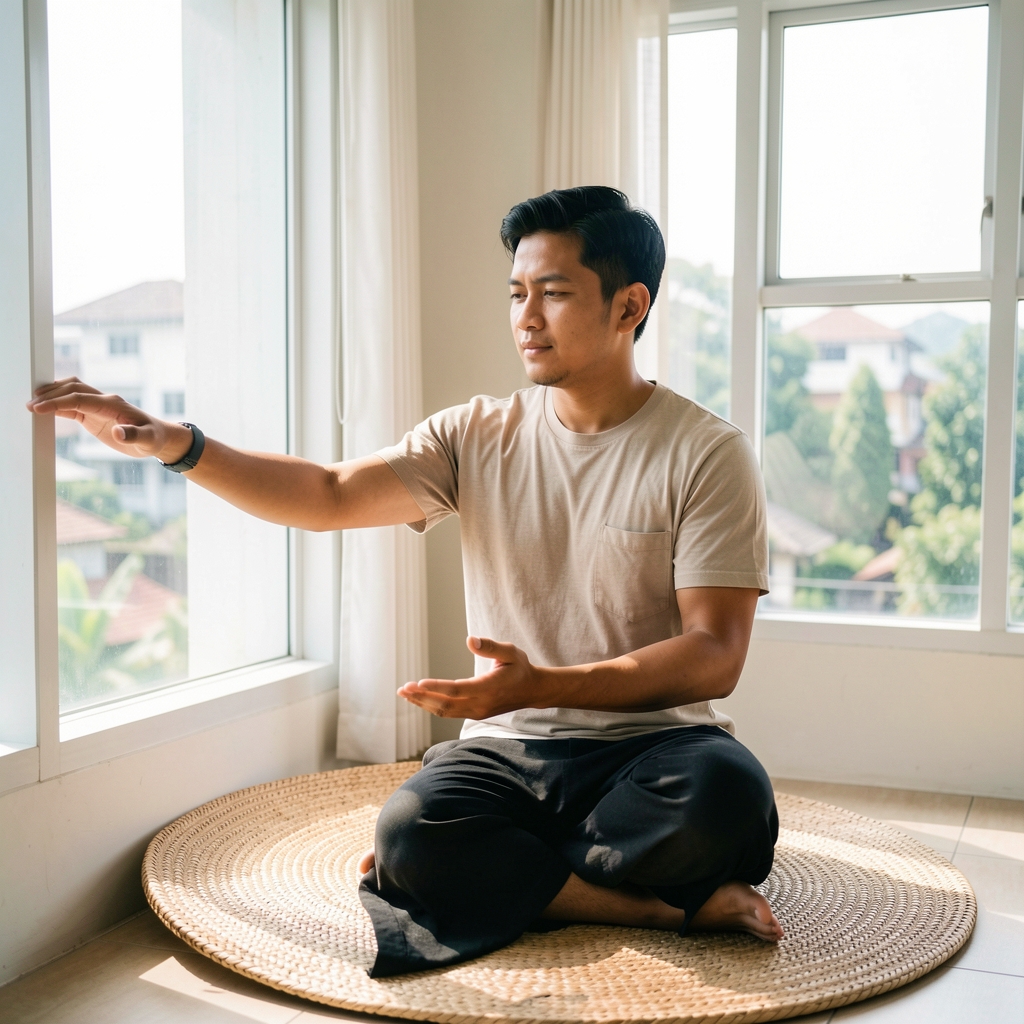
A visual field note
Rather than chasing intensity, a morning sequence can help you notice breath, balance, and the way your body responds to a new day. We look at transitions that fit around breakfast, commuting, family life, and Bandung’s changing light.
Read the morning movement guideA day in perspective
| Approach | Useful setting | What to observe |
|---|---|---|
| Brief mobility | Morning or between tasks | Comfort, breathing, and ease of transition |
| Steady walking | Commute, errands, or evening | Pace, footwear, surface, and temperature |
| Strength foundations | Planned weekly practice | Control, alignment, and recovery between sessions |
A four-part process
Good information becomes more useful when it can be tested gently and reviewed honestly.
Identify the parts of the day that feel rushed, static, or unexpectedly demanding.
Choose one clear practice with a setting, duration, and starting point you can describe.
Give the routine enough time to become familiar while staying attentive to comfort and form.
Record what was practical, then adjust the next week without turning reflection into judgment.
Reader perspectives
“The writing gave me language for small adjustments I had already begun to make.”
— Rafi, Bandung
“I liked the emphasis on pacing. It felt relevant to a busy working week.”
— Arman, Surabaya
“The guides are calm, specific, and easy to discuss with my trainer.”
— Dimas, Jakarta
Find your way around
Start with a short guide, a clear time of day, and an environment where you can pay attention without rushing.
Yes. A useful routine can respond to weather, workload, travel, and the feedback you gather from regular practice.
For Derive, steady means repeatable and attentive rather than intense or competitive.
Visit the journal for articles on desks, walking, breath, balance, and strength foundations.
From the archive
Short reads for different moments in the week, each grounded in an everyday setting.

How to create pauses that do not interrupt concentration.
Read article
A local perspective on pace, footwear, heat, and consistency.
Read article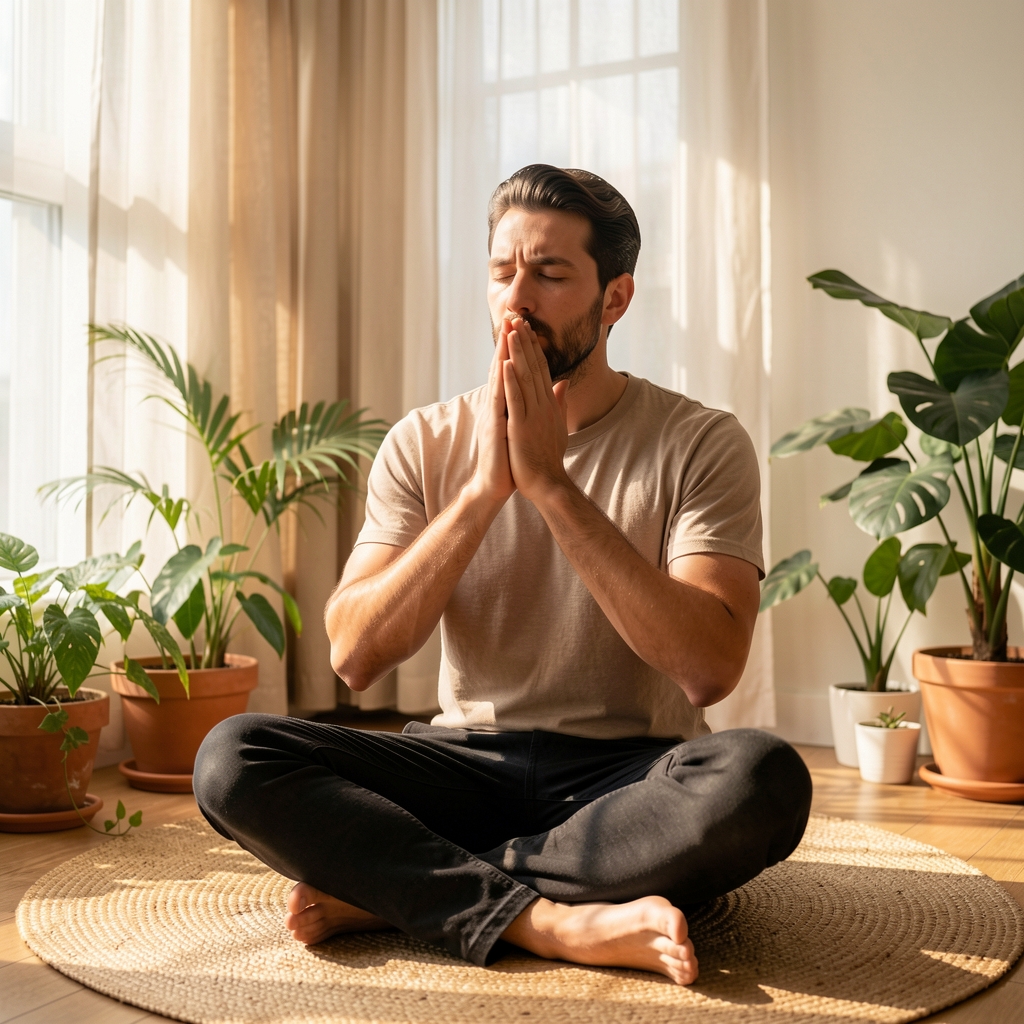
Why a considered beginning can change the quality of movement.
Read article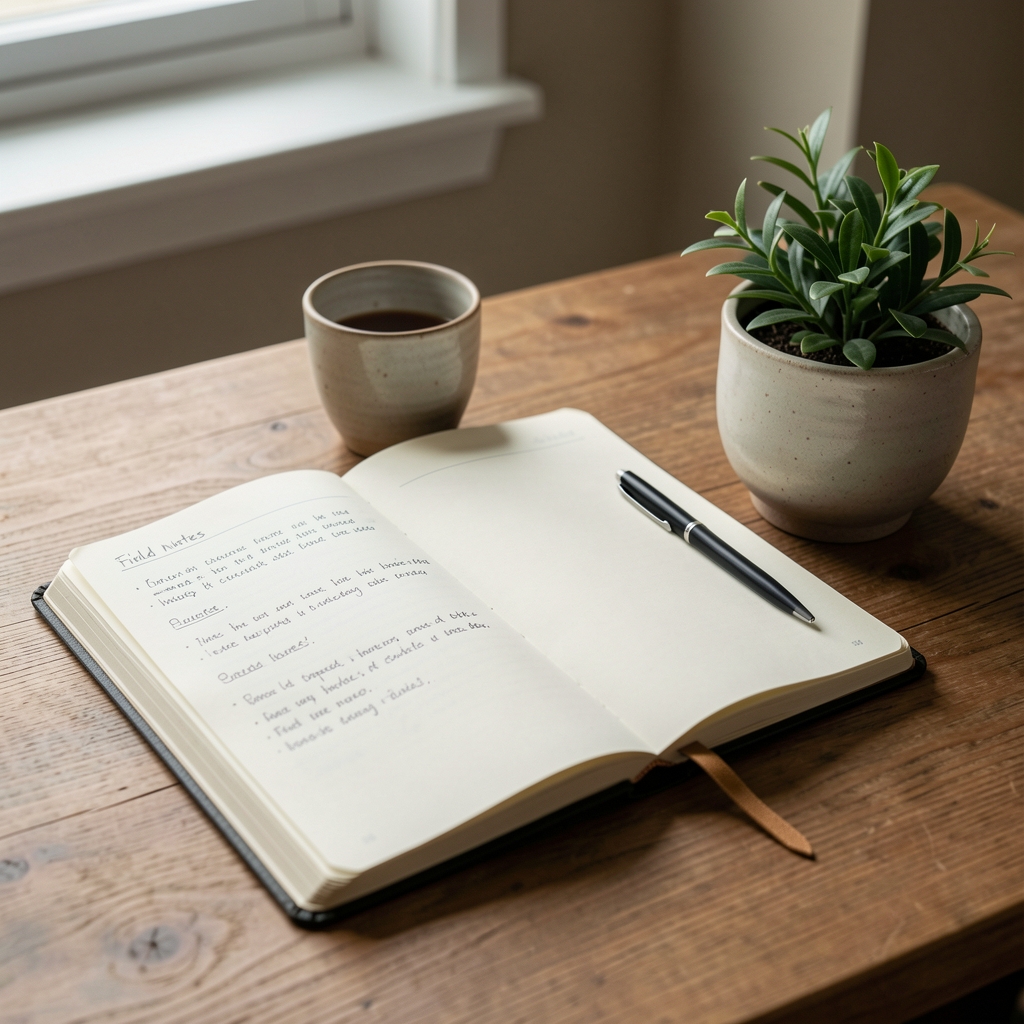
A living glossary
Pacing is the practice of matching effort to the moment. Consistency means returning with attention, not following a rigid script. Recovery is the space in which the body and mind can settle before another demand.
Browse reader resourcesContinue at your own pace
Browse the field guides, review our editorial standards, or send a question to the Derive desk. The site is designed for information, reflection, and practical next steps.
Contact the editorial desk